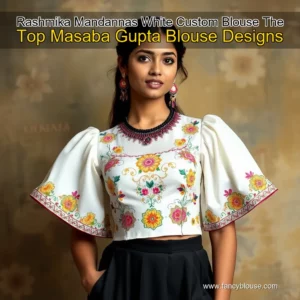
The overall look is elegant and sophisticated, perfect for a formal event.
The Art of Minimalism in Fashion
Minimalism in fashion is a style that emphasizes simplicity and clean lines. It’s about stripping away unnecessary embellishments and focusing on the essential elements of a garment. In the case of the off-white saree worn by Rashmika, the minimalist approach is evident in its understated design.
Key Elements of Minimalist Fashion
The outfit was a stunning combination of traditional and modern elements.
The Wedding of PV Sindhu
PV Sindhu, the Indian badminton sensation, recently tied the knot with her long-time partner, Shekhar Kapur. The wedding ceremony was a grand affair, with many A-list celebrities in attendance.
The Thandai corset is a traditional Indian garment that has been a part of the country’s rich cultural heritage for centuries. It is a long, flowing garment that is typically worn by women during special occasions such as weddings and festivals.
The Origins of the Thandai Corset
The Thandai corset has its roots in ancient India, dating back to the Mughal Empire. During this time, the garment was known as the “Thandai” or “Thandi” and was worn by women as a symbol of elegance and sophistication. The Thandai corset was made from luxurious fabrics such as silk and velvet, and was adorned with intricate embroidery and precious stones.
The Evolution of the Thandai Corset
Over time, the Thandai corset underwent significant changes and evolution. During the British colonial period, the garment was influenced by Western fashion and became more structured and formal. The Thandai corset was also adopted by women from other parts of the world, including Europe and the Middle East, who were drawn to its unique and exotic design.
The Modern Thandai Corset
Today, the Thandai corset is a staple in many Indian fashion designers’ collections. It is often paired with modern fabrics and embellishments, such as lace and sequins, to create a unique and contemporary look. The Thandai corset is also being reimagined by modern designers who are incorporating new materials and techniques into the traditional design.
The Cultural Significance of the Thandai Corset
The Thandai corset holds significant cultural and symbolic meaning in India. It is often worn during special occasions such as weddings and festivals, and is seen as a symbol of beauty, elegance, and sophistication.
The way the fabric flows and drapes is a testament to the skill of the artisans who crafted these pieces.
The Art of Traditional Indian Blouses
A Brief History
Traditional Indian blouses have a rich history that spans centuries. The earliest recorded evidence of blouse-wearing dates back to the Indus Valley Civilization, around 2500 BCE. During this time, women wore long, flowing garments that were often worn over a blouse. The blouse itself was typically made of lightweight fabrics such as cotton or silk. The evolution of the blouse was influenced by various factors, including cultural exchange, trade, and technological advancements. The introduction of the choli, a type of blouse, in the 16th century CE marked a significant turning point in the history of Indian blouses.